Turku University of Applied Sciences’ theFIRMA project office and the Software Engineering and Project Management pathway offer students a real work experience already during their studies. The model combines the practices of software development and project management – and brings benefits to companies as well.
Text by Marika Säisä & Annukka Kinnari
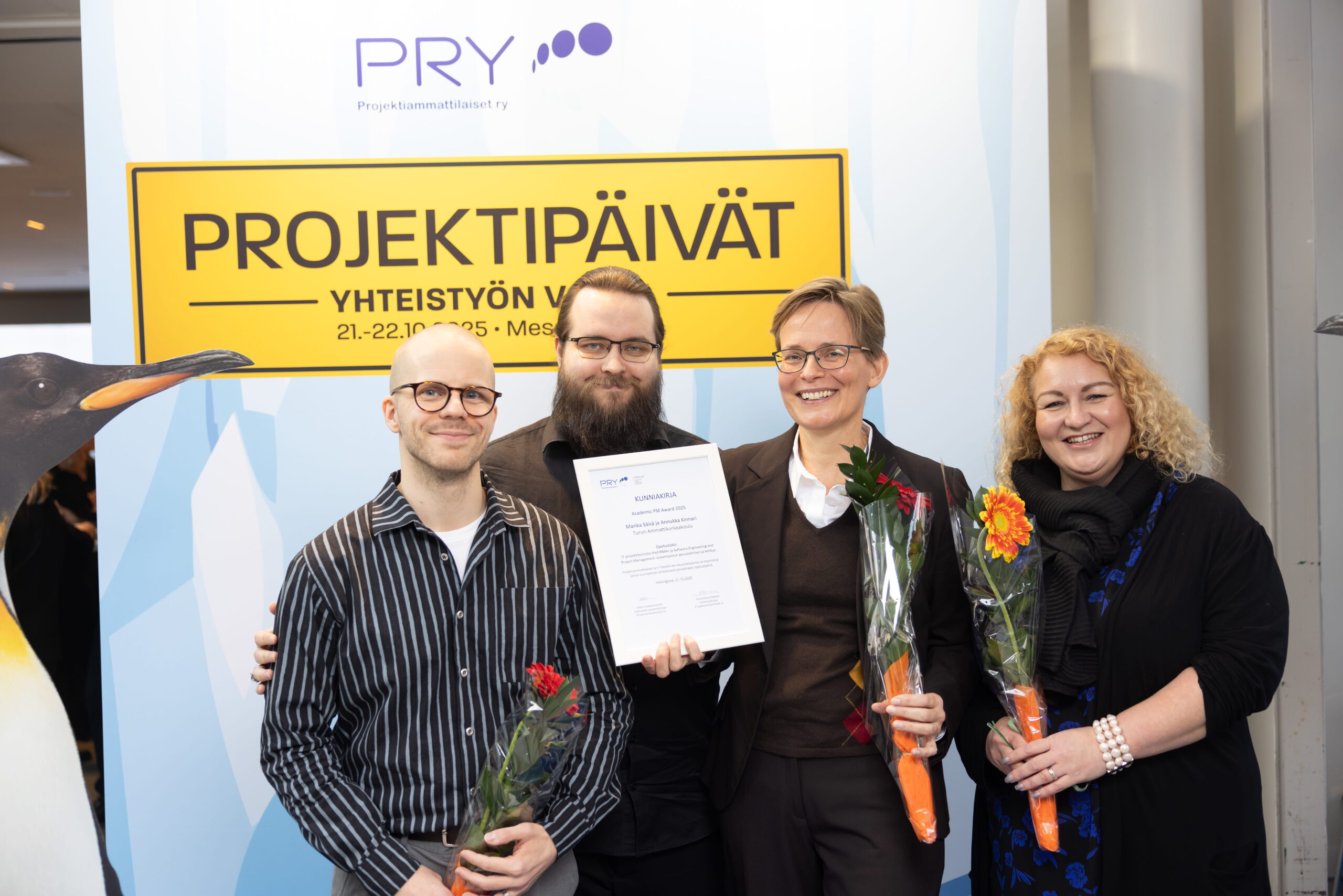
TheFIRMA is a project learning environment where students work on real customer projects. The activities are based on the CDIO (Conceiving-Designing-Implementing-Operating) framework for engineering education and the Innopeda® model, which emphasise learning by doing and work-life skills.
The projects are carried out in partnership with businesses, the public sector and organisations. The content of the projects is tailored to the needs of the clients and ranges from website redesigns to mobile applications, testing services and innovative prototypes. In addition to software development, students will practice project management: planning, team management and stakeholder collaboration. Many projects use Scrum, which gives students the practical skills to manage the progress of projects in stages and to adapt quickly to change.
A knowledge pathway that deepens skills
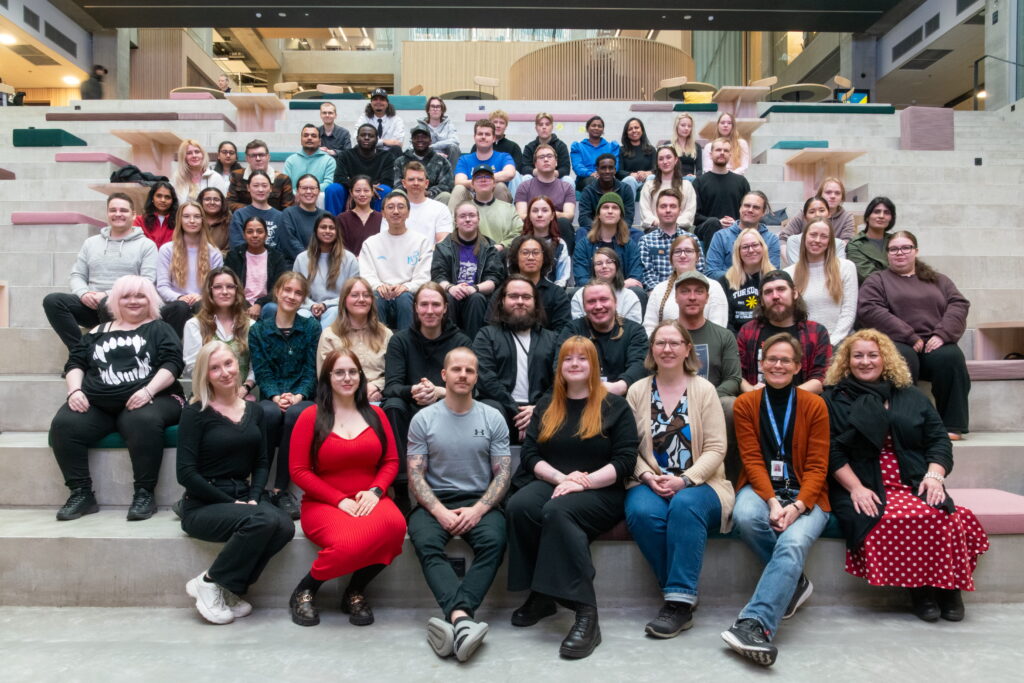
In 2016, a skills pathway pilot was launched, with selected students completing a large part of their studies in client projects. During the pilot phase, a dozen students per year started their studies on the pathway. In 2020, the model was extended to a formal entity called Software Engineering and Project Management (SEPM). In the first year, 32 students started on the pathway, nowadays around 65 students per year. On an annual basis, theFIRMA employs around 200 students.
SEPM combines project work, theory teaching and practical exercises. Students will learn to manage the project lifecycle, sprints and backlog, and develop teamwork and customer service skills. Assessment is transparent: 27 hours of project work equals one credit, and grades are based on self-assessment, peer assessment, client feedback and teacher evaluation. The theory of project management and software development provides a strong foundation for students to work on projects and encourages them to apply what they have learned to client projects.
The learning process and professional growth
Learning is built around three key processes: the quality process ensures the quality of projects and develops practices, the learning process allows for the structured demonstration of competences and the earning of credits, and theFIRMA project process guides project implementation from start to finish. The project process includes a step-by-step progression from planning to implementation and final evaluation, which supports professional project work.
Students set their own targets, monitor their working time and evaluate their progress. They can also build their own professional growth by focusing on areas such as programming, project management or user interface design. This allows each student to deepen their knowledge in their chosen areas and develop skills that support their career path.
The benefits are visible on three levels
Students graduate as experienced project experts with a proven track record of successful client projects. Many say their project experience was crucial in getting their first job.
Businesses will have access to new digital services and the opportunity to network with future talent. Collaboration brings fresh ideas and more innovation.
The operating model supports Turku University of Applied Sciences’ strategy as a university of applied sciences with an impact on working life. The services of the project office support the operations of companies, and the graduating students are ready for working life.
Internationalism and the future
The SEPM competence pathway is in English and the teams are multicultural. This develops students’ interpersonal skills and their ability to work in a global working environment. In the future, the pathway will expand to include AI projects and the use of new technologies, strengthening its position as a pioneer.
Feedback from students and businesses has been very positive. Students feel that they have learned practical skills and gained meaningful experiences that support their employment and entrepreneurship. Entrepreneurs really like working with innovative students and implementing projects in partnership.
TheFIRMA and the SEPM pathway show how project-based learning can combine software development and project management to deliver value to students, businesses and higher education.